Washing Machine Not Draining? (Common Fixes You Can Try)

Faulty washing machine

Is your washing cycle ending with a tub full of water? A clogged drain can be frustrating But, there are several DIY fixes you can try before calling a professional.

When your washing machine fails to drain, it can really mess up your laundry routine. Luckily, there are a few common problems that might be causing it. And, fixing them is often easier than you think.

Key Takeaways

  • Identify common causes of a washing machine not draining.
  • Learn simple DIY fixes to resolve the issue.
  • Understand when to call a professional for help.
  • Discover maintenance tips to prevent future drain issues.
  • Explore troubleshooting steps for your washing machine.

Understanding Why Your Washing Machine Won’t Drain

If your washing machine won’t drain water completely, it’s important to find out why. This can prevent more damage. A machine that can’t drain properly might cause mold and harm itself.

Common Symptoms of Drainage Problems

Signs include water left in the drum after a cycle, slow draining, or the machine not spinning. These signs point to a problem with the drainage system.

How the Drainage System Works

The drainage system in a washing machine has a pump that removes water from the drum. Knowing how it works helps you find any problems.

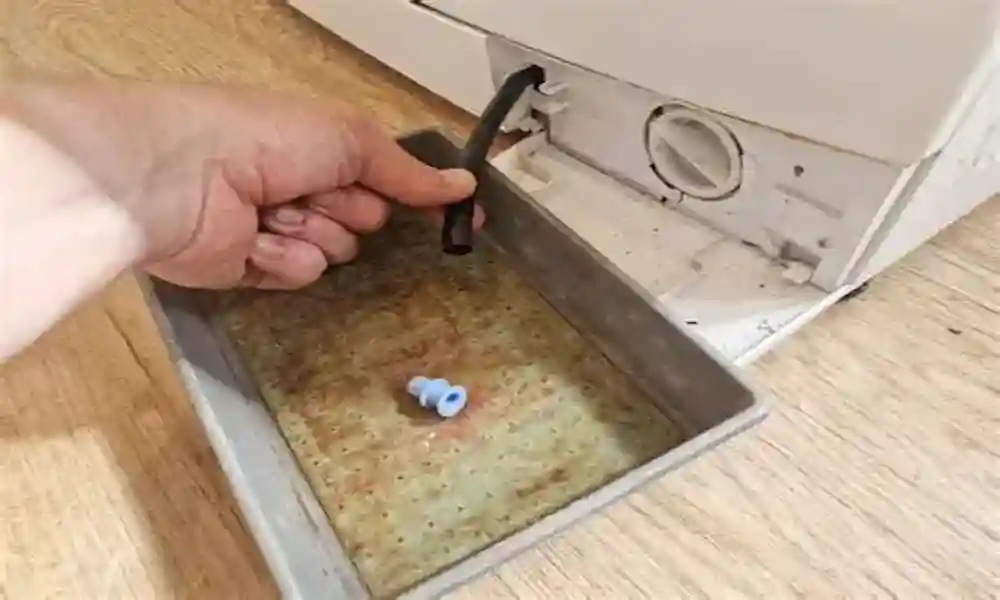
washing machine drainer

Image credit to house worm uk

Identifying the Type of Drainage Issue

To solve the problem, you must figure out if it’s with the drain hose, pump filter, or another part. By checking each part carefully, you can find the problem.

Safety First: Preparing to Troubleshoot Your Washing Machine

Before you start fixing your washing machine’s drainage issue, make sure you’re safe. It’s important to avoid any dangers while you figure out and fix the problem.

Disconnecting Power and Water Supply

First, disconnect the power supply to your washing machine. This stops it from turning on by accident. Unplug it from the wall or switch off the breaker for it. Then, find the shut-off valves behind the machine and turn them clockwise to stop the water.

Water Cleanup Essentials

Get some towels and a bucket ready for water spills. It’s smart to put old towels or a waterproof mat on the floor to catch leaks.

Tools You’ll Need for Diagnosis and Repair

Tool Table
Tool Purpose
Screwdriver Removing screws to access internal parts
Pliers Gripping and bending objects
Bucket Catching water spills
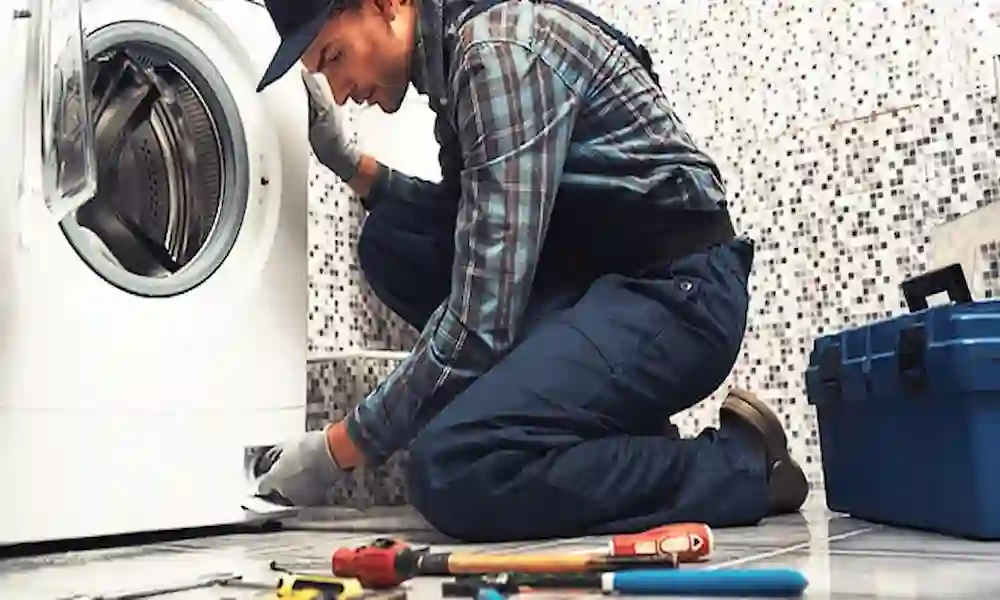
washing machine repair tools

Quick Fixes for Washing Machines That Don’t Drain

The drainage of washing machines is a recurring problem. These are, however, a few useful solutions that you can try to solve the problem before calling a professional.

Check the Drain Hose Position

Now it is time to check the drain hose position. Kinked or clogged hoses or too high or low positioned should not be present. Ensure that it connects properly with the washing machine and drain pipe and that it is not twisted or pinched.

Reset Your Washing Machine

Sometimes, just the resetting of the washing machine can fix the problem; unplug the machine from the mains and wait for some moments before plugging it back in. This should, in most cases, reset it and solve your drainage problem.

Answering Overloading Issues

Sometimes, overloading can cause drainage issues. Have you loaded above the recommended load capacity? Try reducing the load size and checking if there are any positive changes.

Checking for Excessive Detergent

Detergent overload is also one factor. First , be sure that the correct amount of use is appropriate for load size. After that, suds can clog the whole drainage system.

Issue Table
Issue Quick Fix
Drain Hose Issues Check for kinks, clogs, and proper positioning
Machine Not Reset Unplug, wait, and plug back in
Overloading Reduce load size
Excessive Detergent Use correct detergent amount

Cleaning the Drain Pump Filter

When your washing machine won’t drain, a clogged drain pump filter is often the cause. This filter catches debris, keeping it from the drain pump. But, if it gets clogged, it can cause drainage problems.

Locating Your Pump Filter by Machine Type

The drain pump filter’s location changes based on your washing machine type. Front load machines have it at the bottom front, hidden behind a door. Top load machines find it at the tub’s bottom, under a cap. Check your user manual for how to access it.

Step-by-Step Filter Cleaning Process

Cleaning the filter is easy. First, unplug your machine and turn off the water supply. Then, open the filter panel. Remove debris and rinse the filter under water. Put everything back and plug in your machine. This is key for top load machines that won’t drain.

Common Objects Found in Filters

Coins, buttons, and fabric lint often clog filters. Cleaning it regularly can stop these problems. If it’s really clogged, check your pockets and use a lint filter.

Object Table
Object Frequency Found Prevention Method
Coins High Check pockets before washing
Fabric Lint Very High Use a lint filter
Buttons Moderate Check clothing before washing

What to Do If Filter Cleaning Doesn’t Work

If cleaning the filter doesn’t fix the problem, there might be a bigger issue. For front load machines, check the drain hose for kinks or blockages. You might need a professional for further help.

“Regular maintenance, including cleaning the drain pump filter, is key to extending the life of your washing machine and preventing drainage issues.” – Appliance Expert

By following these steps and keeping up with maintenance, you can avoid many drainage problems. This ensures your washing machine works well for years.

Unclogging the Drain Hose

Unclogging the drain hose is key to fixing a washing machine that won’t drain. A clogged hose stops water from leaving your machine. This can cause poor washing or make the machine not work.

Disconnecting and Inspecting the Hose

To start, disconnect the drain hose from the washing machine and drain pipe. Make sure the washing machine is unplugged first to avoid accidents. After disconnecting, look for blockages or damage in the hose. Check for kinks, twists, or debris that might block water flow.

Methods for Clearing Blockages

There are several ways to clear blockages from the drain hose. Here are a few effective techniques:

  • Using a plumber’s snake to remove any clogs deep within the hose.
  • Pressure cleaning methods to flush out debris.

Using a Plumber’s Snake

A plumber’s snake is a flexible rod for removing blockages. Insert the snake into the hose until you hit resistance. Then, rotate it to break up the clog.

Pressure Cleaning Methods

For a deeper clean, use a high-pressure hose or a specialized tool. This method is great for removing tough debris.

Properly Reconnecting the Drain Hose

After clearing the blockage, reconnect the drain hose correctly. Make sure it’s securely attached to both the washing machine and the drain pipe. Also, check that the hose isn’t kinked or twisted to avoid future problems.

By following these steps, you should be able to unclog your washing machine’s drain hose. This should fix drainage issues. If problems continue, you might need to get help from a professional.

Solving Washing Machine Not Draining and Spinning Problems

When your washing machine won’t drain and spin, it’s really frustrating. But, there are many ways to fix it. First, you need to find out why it’s not working. It could be a problem with the machine’s parts or its electrical system.

Belt and Motor Issues

A broken belt or motor can stop your washing machine from spinning. Check the belt for any damage or wear. If it’s damaged, you’ll need to replace it. If the motor is broken, a pro will have to fix it.

Lid Switch Malfunctions

The lid switch keeps the machine from spinning when the lid is open. If it’s not working right, the machine won’t spin. Look for any damage or wear on the lid switch. If you find any, you’ll need to replace it.

Clutch and Transmission Problems

Clutch and transmission problems can also stop the machine from spinning. If these parts are worn out or broken, they might need to be replaced. For these tricky repairs, it’s best to get help from a professional.

Balance and Load Distribution Solutions

Spinning problems can also come from an unbalanced machine or uneven loads. Make sure the machine is balanced and the load is spread out evenly in the drum.

Washing Machine Issues
Issue Possible Cause Solution
Washing machine not spinning Faulty belt or motor Replace belt or motor
Washing machine not draining Clogged drain hose Clear blockage in drain hose
Washing machine not spinning or draining Lid switch malfunction or clutch/transmission issue Replace lid switch or clutch/transmission

By finding and fixing the root cause, you can get your washing machine working again. If you’re not sure what to do, it’s a good idea to ask a professional for help.

Related Posts

Checking for Drain Pump Issues

When your washing machine won’t drain, it’s key to check the drain pump. This part removes water during the drain cycle. If it’s not working right, you might have trouble with water draining.

Signs of a Faulty Drain Pump

A bad drain pump can show in different ways, like:

  • Unusual noises during the drain cycle
  • Failure to drain water
  • Error codes on the display

If you see these signs, it’s time to dig deeper.

Testing Pump Functionality

To test the drain pump, you need to get to it. This means checking the pump filter for blockages. Also, look for any clogs in the drain hose.

Removing Obstructions from the Pump

Often, the problem is not the pump but something blocking it. Coins, buttons, and fabric scraps are common culprits. Clearing these can fix the issue.

Pump Replacement Basics

If the drain pump is broken and can’t be fixed, you might need a new one. You’ll have to buy a compatible pump and install it as the maker says.

Warning Signs Table
Signs Description Solution
Unusual Noises Grinding or rattling sounds Check for blockages
Failure to Drain Water remains in the machine Inspect drain pump and filter
Error Codes Specific codes on the display Refer to user manual or contact support

By following these steps, you can find and possibly fix drain pump problems. This ensures your washing machine drains right.

Addressing Control Board and Sensor Problems

If your washing machine isn’t draining, it’s important to check the control board and sensors. The control board is like the brain of your washing machine, handling functions like drainage. Sensor problems can also impact how it works.

Identifying Electronic Failures

Electronic failures can show up as error codes or strange noises. To find these issues, look in your user manual for troubleshooting tips for your model.

Resetting Error Codes

Resetting the error code might fix the problem. Unplug your washing machine, wait a few minutes, then plug it back in. If the issue continues, you’ll need to dig deeper.

Pressure Switch Testing

The pressure switch checks the water level in your washing machine. You can test it with a multimeter. If it’s broken, it might not tell the control board to drain the water.

When to Replace Components

If you find a bad control board or sensor, it’s time to replace them. Make sure to get parts that fit your washing machine model.

Component Failure Table
Component Symptoms of Failure Action
Control Board Machine not responding, error codes Replace
Pressure Switch Incorrect water level, drainage issues Test and Replace if necessary

Preventative Maintenance to Avoid Drainage Issues

To keep your washing machine running smoothly, regular maintenance is key. This helps prevent common issues like drainage problems. Regular upkeep not only extends your appliance’s life but also makes laundry easier and faster.

Regular Filter Cleaning Schedule

Cleaning the drain pump filter regularly is a must. You should do this every 1-3 months, depending on how much you use it. This simple step can stop clogs and blockages that cause drainage issues. Check your washing machine’s manual for how to clean the filter.

Proper Loading Techniques

Don’t overload your washing machine to avoid drainage problems. Make sure you’re not over the recommended capacity. Also, balance the load to prevent too much vibration during the spin cycle.

Using the Right Detergent

Choosing the right detergent is important. Too much detergent can cause residue buildup, leading to drainage issues. Always use the amount recommended by the manufacturer.

Monthly Maintenance Checklist

Make a monthly maintenance checklist to keep your washing machine in great shape. This should include checking and cleaning the drain hose, inspecting the drain pump filter, and running a cleaning cycle if available. By doing these tasks, you can easily prevent drainage issues and keep your machine running well.

By adding these simple maintenance habits to your routine, you can significantly reduce the risk of drainage problems. This way, your washing machine will stay in good condition for many years.

Conclusion: Keeping Your Washing Machine Running Smoothly

By following the steps in this article, you can fix your washing machine’s drainage problem. Check the drain hose position, clean the filter, or look at control board issues. These simple steps can save you time and money.

If your washing machine doesn’t drain or clothes stay wet, it might be blocked or malfunctioning. Regular maintenance, like cleaning the filter and checking detergent levels, can prevent these problems. Being proactive keeps your washing machine running well.

To keep your washing machine in great shape, regularly clean the drain pump filter, avoid overloading, and use the right detergent. This way, you’ll have easy laundry days and your appliance will last longer. If these fixes don’t work, it’s time to get professional help.

FAQ

Why is my washing machine not draining water completely?

Several reasons might cause this problem. A clogged drain hose, a faulty drain pump, or too much detergent can be the culprits. First, check the drain hose for any kinks or blockages. Also, make sure to clean the drain pump filter regularly.

How do I fix a washing machine that is not draining at the end of the cycle?

Start by checking the drain hose’s position. Make sure it’s not kinked or clogged. Try resetting your washing machine or check if it’s overloaded.

What are some easy DIY fixes for a washing machine not draining?

Look for blockages in the drain hose and clean the filter. Also, ensure you’re loading clothes correctly. Resetting your washing machine or checking for too much detergent can also help.

Why is my washing machine not draining but the pump works?

If the pump is working, the problem might be with the drain hose or too much detergent. Check the hose for kinks or blockages. Also, clean the drain pump filter regularly.

How do I unclog my washing machine drain hose at home?

First, disconnect the hose and look for blockages. Use a plumber’s snake or pressure cleaning to clear clogs. Then, reconnect the hose properly.

What should I do if my washing machine is not draining after a power outage?

Check the drain hose for kinks or blockages. Ensure the washing machine is reset correctly. Also, inspect the drain pump filter for debris.

How do I troubleshoot a front load washing machine not draining?

Check the drain hose for blockages and clean the filter. Ensure you’re loading clothes correctly. Try resetting your washing machine or checking for too much detergent.

What are some home remedies for a washing machine not draining?

Check the drain hose for kinks or blockages. Clean the drain pump filter regularly. Using natural detergent or a cleaning cycle can also help remove buildup.

Why is my washing machine not draining and making noise?

A faulty drain pump or clogged drain hose might be the cause. Check the hose for blockages and clean the filter regularly.

How do I check for drain pump issues in my washing machine?

Look for signs like unusual noises or vibrations. Test the pump and remove any obstructions. If needed, replace the pump.

What are some error code solutions for a washing machine not draining?

Check your user manual for error code meanings. Reset the code and inspect the drain hose and pump filter for issues.

Author

  • fixlp

    Adnan John founded FixLP and leads our content team. He’s spent over fifteen years fixing tech, solving software issues, and figuring out home gadgets. Adnan’s all about turning messy problems into simple, doable steps.

Washing Machine Not Draining? (Common Fixes You Can Try)

Leave a Reply

Your email address will not be published. Required fields are marked *

Scroll to top