For most iPhone users, iCloud Photos is more than just a feature , it’s peace of mind. Every photo you take is supposed to appear in iCloud automatically, available across your devices without you even thinking about it. But if you’ve recently updated to iOS 19, you may have noticed something isn’t right: your iPhone photos are not uploading to iCloud.
This can feel frustrating. Maybe you see “Uploading 1,236 items” at the bottom of your Photos app, but the number never changes. Maybe some images sync but others get stuck. Or maybe nothing uploads at all.
Don’t worry — you’re not alone. Many iPhone owners are reporting the same issue after the iOS 19 update. The good news is, in most cases, it’s fixable. This guide walks you through why it happens and how to solve it step by step so your photos start syncing again.
Why iCloud Photo Sync Breaks After iOS 19
Apple’s iOS 19 is a major release, and with big updates come small headaches. Sync issues usually boil down to one of a few reasons:
Software bugs: Apple sometimes ships updates with hidden glitches, and syncing photos is one of the areas that can break.
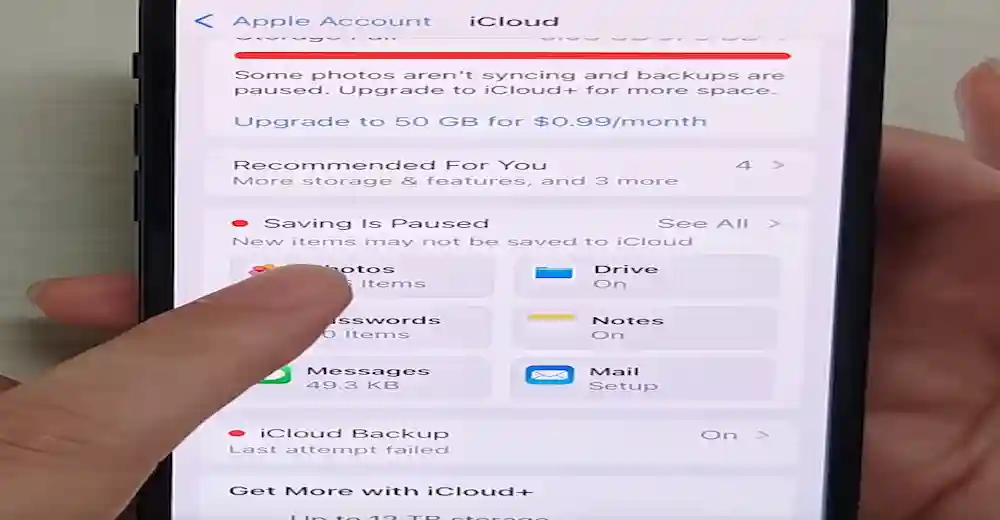
iCloud storage problems: If you’ve run out of iCloud space, your photos won’t upload no matter what you try.
Connectivity issues: Weak Wi-Fi or restricted mobile data settings often stop uploads.
Battery-saving settings: iPhones pause background sync in Low Power Mode to conserve battery.
Configuration changes: Updating iOS can sometimes reset iCloud Photos or change your storage settings.
Understanding these possible causes helps narrow down the fix.
Start with the Basics
Before we dive into deeper troubleshooting, it’s worth running through a few quick checks. Sometimes the simplest steps solve the problem.
First, open Settings > [your name] > iCloud > Manage Account Storage. If you see that your iCloud storage is full, uploads won’t work. You’ll either need to delete files or upgrade your plan.
Next, make sure you’re on a stable Wi-Fi network. iCloud Photos prefers Wi-Fi, and while it can work over cellular, that option must be enabled separately. If your connection is unstable, uploads may pause indefinitely.
Finally, restart your iPhone. It may sound too easy, but many users report that a simple reboot gets syncing started again.
Step 1: Check That iCloud Photos Is Turned On
One of the first things to confirm is that iCloud Photos is actually enabled. After an update, settings can change unexpectedly.
Go to Settings > [your name] > iCloud > Photos. Make sure Sync this iPhone is switched on. If it already is, toggle it off, wait a minute, and turn it back on.

Step 2: Sign Out and Back Into iCloud
If photos still aren’t uploading, your Apple ID session may be glitching. Signing out of iCloud and signing back in often refreshes the sync.
In Settings, tap your name at the top. Scroll down and choose Sign Out. Restart your iPhone, then log back in with your Apple ID. Once you’re signed in, open Photos and check if uploads resume.
Step 3: Disable Low Power Mode and Background Restrictions
Low Power Mode is handy for extending battery life, but it also restricts background tasks like iCloud syncing.
Open Settings > Battery and make sure Low Power Mode is turned off. While you’re at it, go to Settings > Photos > Cellular Data and check that “Unlimited Updates” is enabled if you want uploads to work over mobile data.
Step 4: Review Your Storage Options
How your iPhone manages photo storage can affect uploads.
Go to Settings > Photos. If Optimize iPhone Storage is turned on, your device may prioritize saving space over syncing. Temporarily switch to Download and Keep Originals and see if uploads resume.
Step 5: Reset Your Network Settings
Sometimes the issue lies not with iCloud itself but with your Wi-Fi connection. Resetting network settings clears out old configurations that might be blocking the sync.
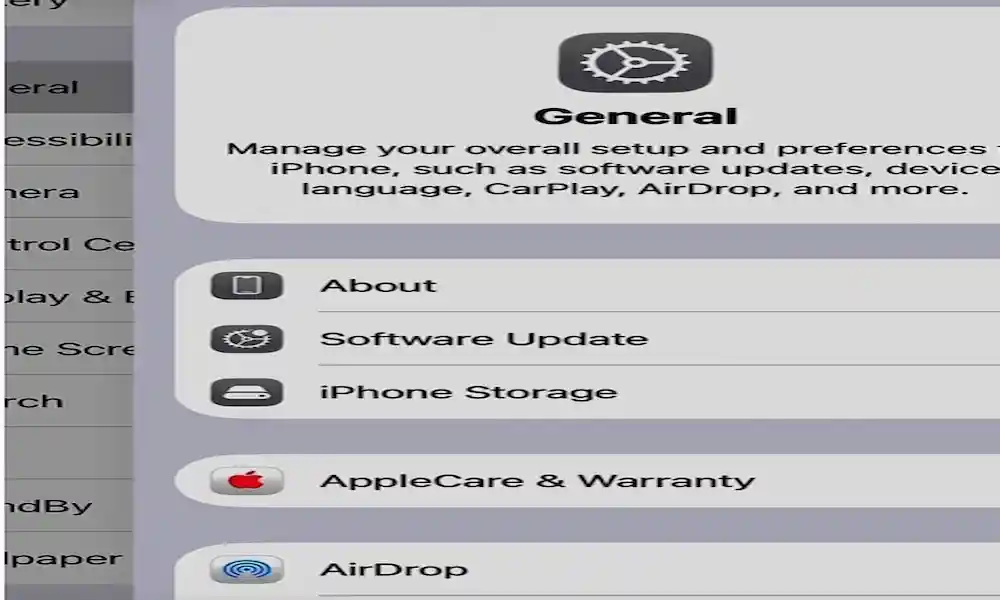
Navigate to Settings > General > Transfer or Reset iPhone > Reset > Reset Network Settings. Your iPhone will restart, and you’ll need to re-enter Wi-Fi passwords. Once reconnected, open Photos and check your uploads again.
Step 6: Update to the Latest iOS Version
Apple is usually quick to patch major bugs, and iCloud sync issues are high on their priority list.
Go to Settings > General > Software Update and install the latest version of iOS 19. Even if your iPhone is already on 19.0, a minor update like 19.1 or 19.2 may resolve the problem.
Step 7: Advanced Options
If you’ve tried everything above and your photos are still stuck, there are a few more drastic steps to consider.
One option is to disable iCloud Photos completely, restart your device, and then re-enable it. This forces a fresh sync from the ground up.
Another is to back up your photos manually using Finder (on macOS) or iTunes (on Windows). After creating a local backup, you can safely reset iCloud Photos without fear of losing images.
If none of these work, it may be time to contact Apple Support. Occasionally, syncing problems stem from account-level issues that only Apple can resolve.
Also Check:
- Best Ways to Recover Deleted App Data on Android and iOS
- iPhone Overheating While Charging – Causes and Fixes
- Phone Battery Drains So Fast? Causes & Fixes (iPhone & Android)
Frequently Asked Questions
Why are my iCloud photos stuck at “Uploading 1,000 items?
This usually means your connection is unstable or your storage is nearly full. Try freeing up space and keeping your iPhone plugged in and on Wi-Fi overnight.
Does iCloud Photos sync only on Wi-Fi?
In its default setting, yes. You can allow uploads on mobile data by enabling “Unlimited Updates” in Settings > Photos > Cellular Data.
How do I increase the speed of the uploads through iCloud photo?
The fastest way is to plug the iPhone into power and connect to a strong Wi-Fi network and then don’t exit the Photos app. This will allow iOS to prioritize the syncing.
Final Thoughts
When an iPhone photo does not upload to iCloud due to updates such as iOS 19, it feels like one of the most dependable features of Apple has just stopped working. That’s not true, however, in most cases.
By checking your settings, refreshing your iCloud login, changing around your storage options, and making sure a solid connection is in place, most likely you will be able to make uploads work again. And of course, if all else fails, remember that Apple usually rolls out quite a few tiny updates after a major release, and almost all of those patches feature fixes to iCloud syncing.
Meanwhile, it is always advisable to keep an extra copy of your photos — either on your computer, an external drive, or some other cloud service — so that your memories are safe, no matter what iOS throws at you.